
Fearful, not naughty: Understanding your pet’s behaviour at the vet
Growling, freezing or hiding at the vet isn’t bad behaviour. It’s communication.
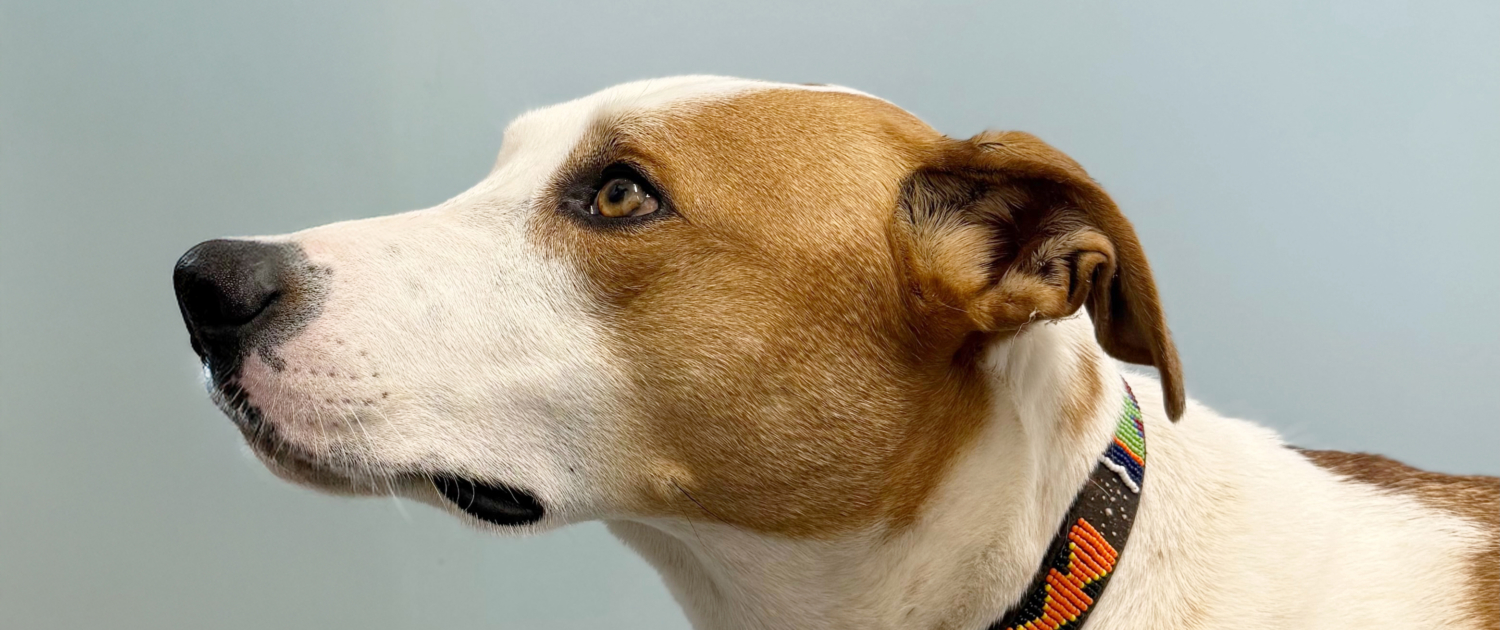
Think about what a visit to us can feel like for a pet.
- Their person might be tense.
- The floor slippery.
- Strangers are touching them.
- Nothing smells like home.
For many pets, a visit to the vet isn’t neutral — it’s unfamiliar, confusing and sometimes genuinely frightening.
So when a dog growls, freezes, hides, snaps, refuses treats or trembles, it isn’t attitude or stubbornness. It’s fear.
Cats, in particular, are very good at hiding how stressed they feel. A cat that looks “well behaved” is often actually shut down:
- Very still
- Crouched
- Wide-eyed
- Silent
That isn’t a relaxed cat — it’s a cat doing its best to cope.
What do we do for fearful pets at PetMed Vets?
We don’t see fearful pets as difficult pets. We see them as animals telling us something important.
Rather than expecting pets to push through an environment that feels scary, we adapt our approach to suit them. That might mean:
- Slowing things down
- Using completely separate cat and dog spaces
- Examining pets where they feel safest
- Using towels, treats, pheromones and warm mats
- Breaking visits into smaller, more manageable steps
- Changing the plan if a pet is becoming overwhelmed
- Recommending pre-visit calming support when helpful
We will always prioritise a pet’s emotional wellbeing over forcing everything into a single appointment.
Can fearful pets learn to feel more comfortable at the vet?
Yes absolutely!
With gentle handling, a calm environment and the right pace, even very worried pets can learn that the vet clinic is a place where:
- People move gently
- Voices stay calm
- Fear is taken seriously and they aren’t pushed beyond what they can cope with
What can I do if my pet is scared of the vet?
There are lots of small things that can make a real difference:
- Leave carriers out at home with familiar bedding and the occasional treat so they become safe, cosy spaces.
- Take short, positive car trips that don’t always end at the vet.
- Spray carriers, bedding or car seats with calming pheromones about 30 minutes before travel.
- Remember that pets are very sensitive to how we’re feeling — speaking softly and staying relaxed can help them cope.
- If the waiting room feels busy, you’re welcome to wait in your car or a quiet area. Just let our team know when you arrive and we’ll call you straight in when we’re ready.
- Let us know ahead of time if your pet is nervous.
- Bring favourite, high-value treats.
- Keep cats covered in their carrier with a towel and place them on the bench in our cat waiting area.
- Drop in for “happy visits” where your dog just comes in for treats, pats, a sniff around, or a quick step on the scales.
- Ask us about ways to make visits easier if they’re consistently hard.
Fearful pets can learn to feel safer, but only when they’re listened to.
Every visit teaches your pet what “the vet” means.
And we want that lesson to be simple:
This place is safe.
Contact Us
If your pet feels anxious or unsettled at the vet, get in touch with our team to learn how we adapt our approach to support their behaviour and wellbeing.

