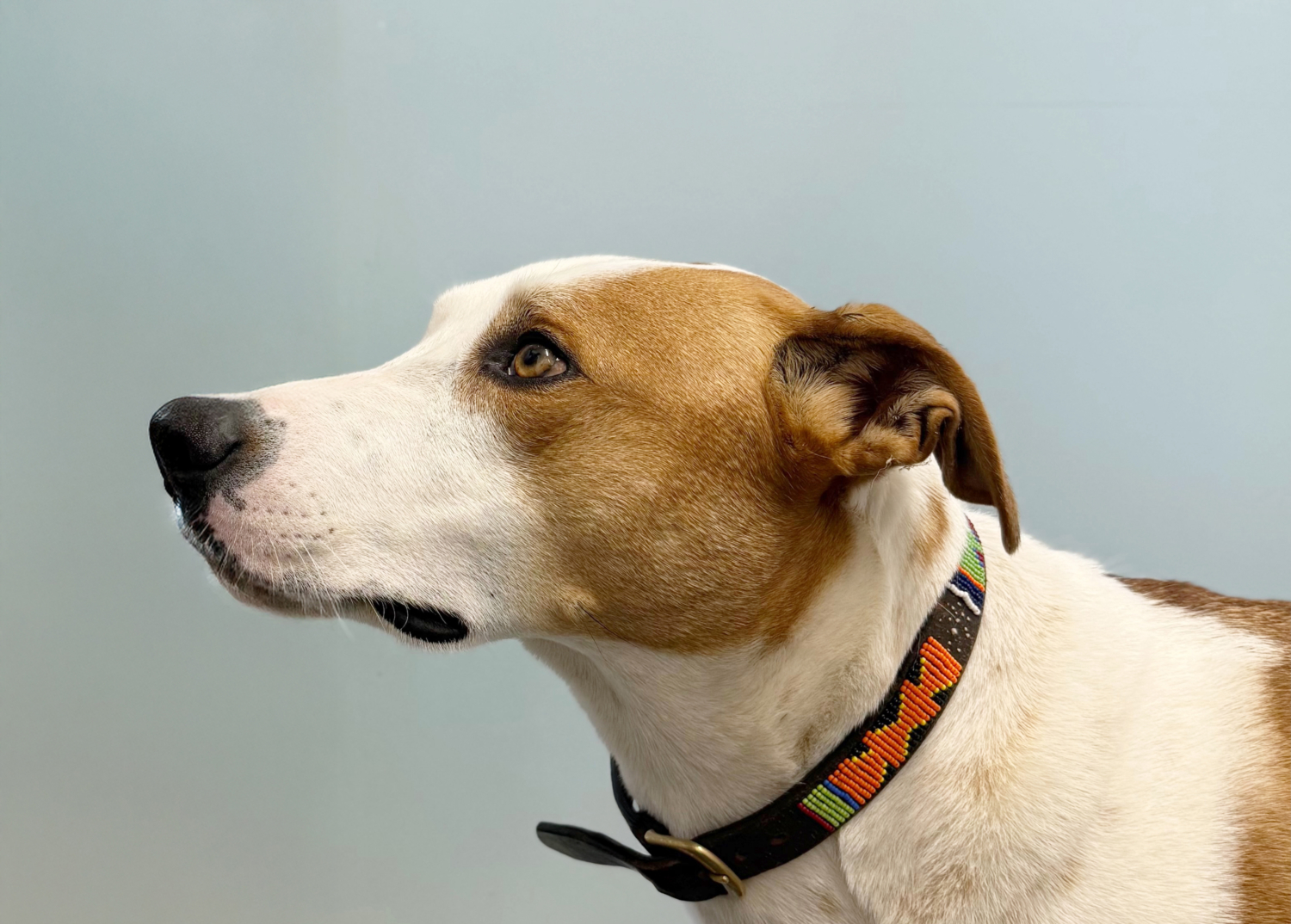

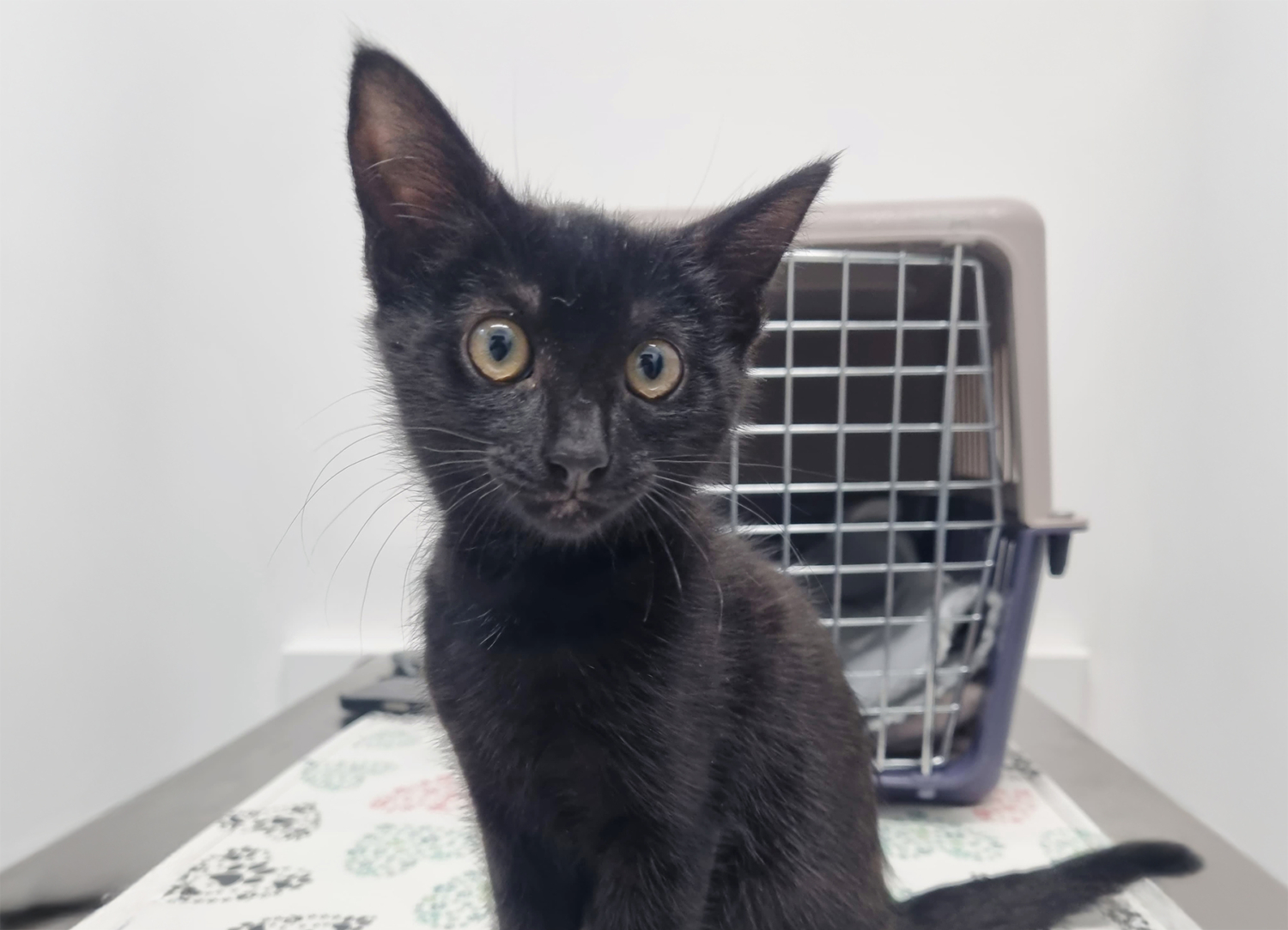
Small puppy sitting indoors for a veterinary blog about when to neuter your pet, dog desexing age and cat neutering advice.

Neutering Your Pet: Finding the Right Time and Approach

Neutering has long been recommended as part of responsible pet ownership, and we now understand that the ideal timing can vary between individual pets.
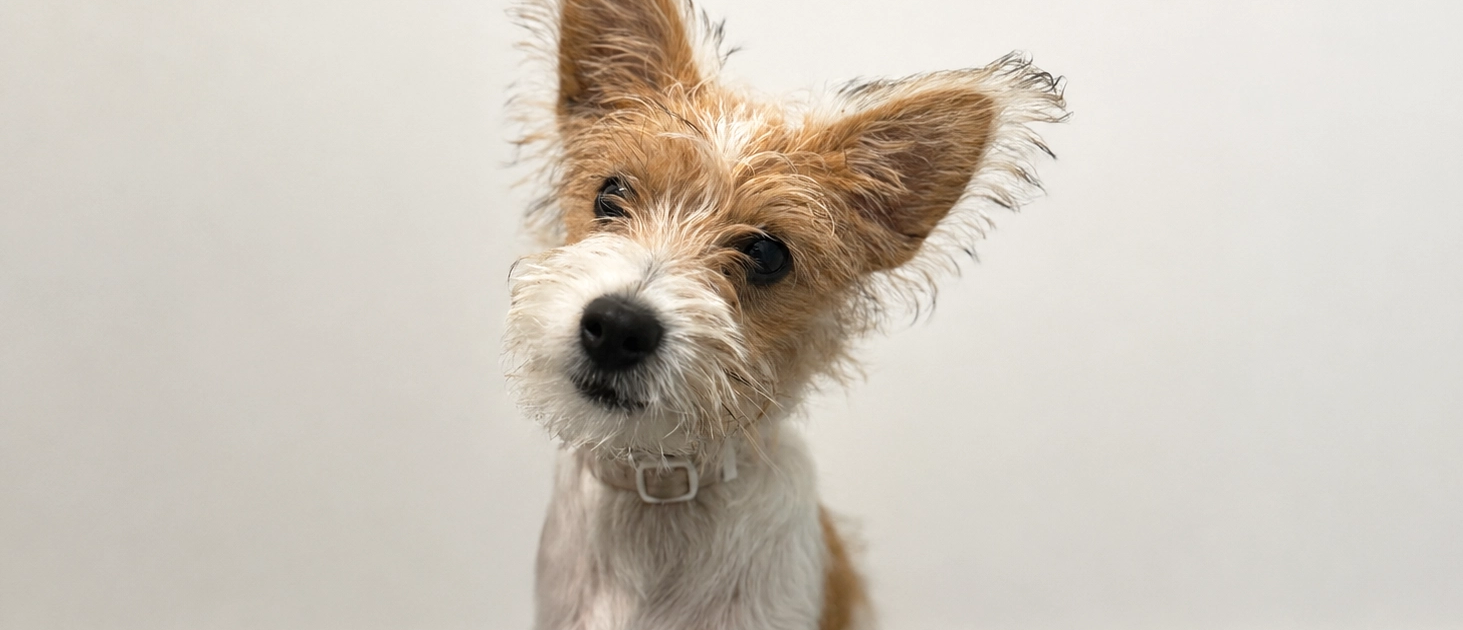
Small puppy sitting indoors for a veterinary blog about when to neuter your pet, dog desexing age and cat neutering advice.

Breed, size, age, sex, lifestyle, behaviour, and medical history can all influence what is best for your dog or cat.

Current organisations such as the World Small Animal Veterinary Association and the New Zealand Veterinary Association (NZVA) now support a more individualised approach for dogs, helping veterinarians tailor advice to each pet and family.

The NZVA continues to strongly recommend early neutering for most cats.

For many pets, neutering remains an important tool for preventing unwanted litters and improving animal welfare in the wider community.

Why Owners Choose to Neuter Their Pet

Neutering can offer a range of health and lifestyle benefits, including:

  • Preventing unwanted litters
  • Helping reduce pet overpopulation
  • Eliminating the risk of testicular disease in males
  • Greatly reducing the risk of pyometra (a serious uterine infection) in females
  • Reducing roaming, urine marking, mounting, and some hormone-driven behaviours
  • Avoiding the disruption of repeated seasons or heat cycles
  • Making day-to-day management easier for some households

What We Understand Better Today

Veterinary advice has evolved over time. Research has shown that the age at neutering may influence long-term health outcomes in some dogs.

In some pets, especially certain larger breeds, the age at neutering may influence growth, joint development, metabolism, urinary health, or risk of some later-life conditions.

For some pets, traditional surgical neutering remains the best option. In selected cases, alternative approaches may also be discussed.

Timing Advice for Dogs

While every dog is different, general guidance often looks like this:

Small Breed Dogs
Smaller dogs usually mature earlier, so neutering is often considered around 6 months of age. For many female small-breed dogs, this means spaying before the first season.

Medium Breed Dogs
Timing for medium-sized dogs can vary more depending on breed, growth rate, and lifestyle factors.

Large and Giant Breed Dogs
Larger breeds tend to mature more slowly. In many cases, allowing them to reach greater physical and sexual maturity before neutering may be beneficial. This can sometimes mean waiting until 12–18 months or longer, depending on breed and sex.

Lifestyle Still Matters
Even when later neutering may be ideal medically, household realities also matter. If there is a high risk of accidental breeding, roaming, or management difficulties, earlier neutering may still be the better overall choice.

What About Male Dogs?

For male dogs, neutering can be especially helpful where hormone-driven behaviours are causing challenges.

This may include:

  • Roaming
  • Urine marking
  • Mounting
  • Distraction around females in season
  • Some tension with other male dogs

Neutering also removes the risk of testicular disease and may reduce some prostate-related conditions later in life.

While neutering can help with behaviours driven by hormones, it is not a cure-all for every behaviour concern. Fear, anxiety, reactivity, poor social skills, and learned habits may still occur regardless of reproductive status. In these cases, training and behavioural support are often just as important as surgery.

The ideal timing varies between individual dogs.

What About Female Dogs?

For female dogs, one of the strongest medical benefits of desexing is prevention of pyometra, a serious uterine infection that commonly affects older entire females and often requires urgent surgery.

Desexing also prevents unwanted pregnancies and avoids the inconvenience of repeated heat cycles.

Where possible, many vets prefer to schedule surgery between seasons once hormones have settled, often around 2–3 months after a heat, although timing can vary depending on the individual dog.

Timing decisions are best made individually.

What About Cats?

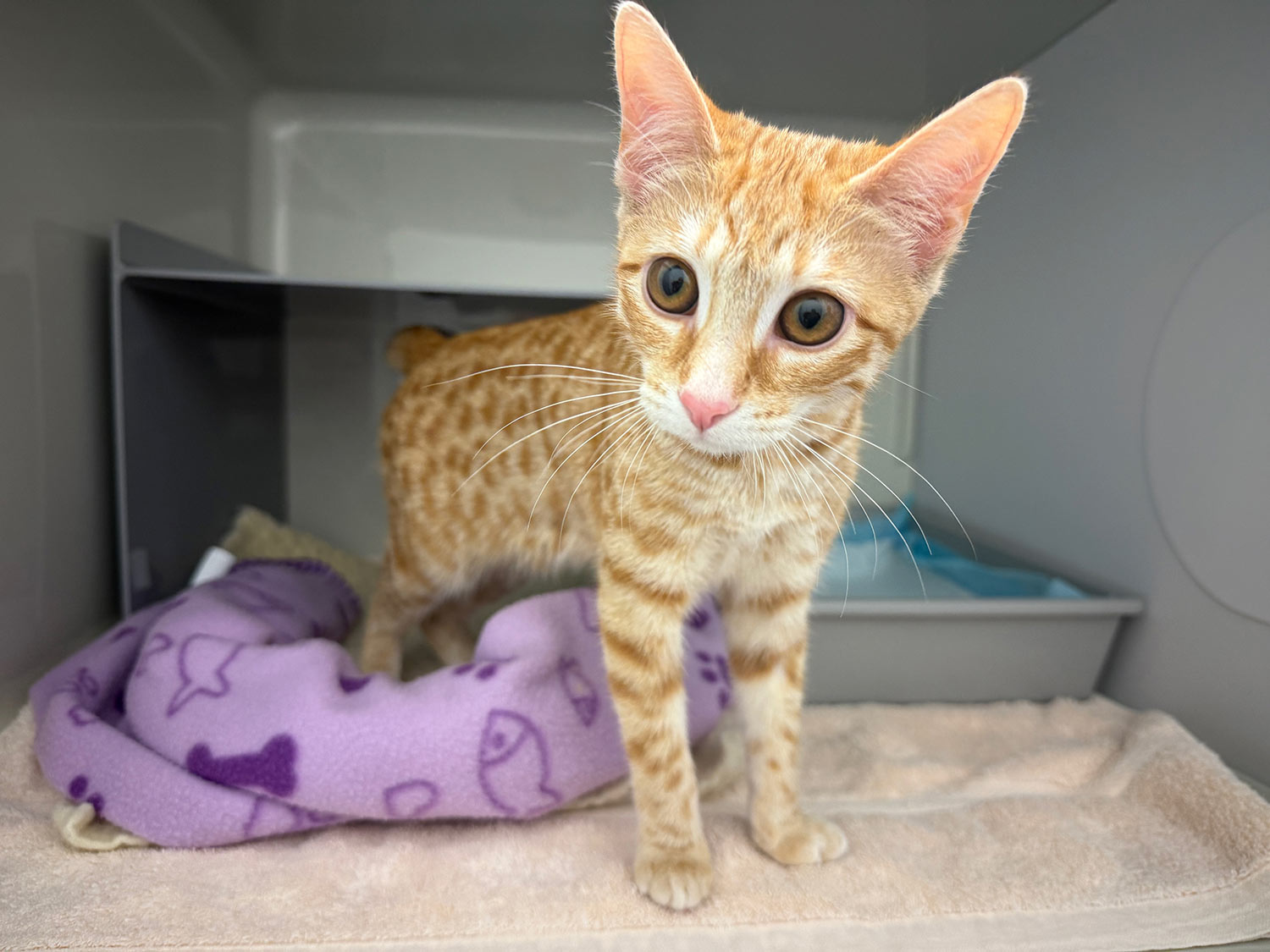
For cats, neutering is usually strongly recommended and commonly performed earlier than in dogs.

Benefits often include:

  • Preventing unwanted litters
  • Reducing spraying and marking, especially in male cats
  • Reducing roaming and attempts to escape
  • Reducing fighting and related abscesses
  • Lowering spread of infectious disease through bites and mating
  • Preventing pyometra in females
  • Reducing calling behaviours in females

Cats can become fertile surprisingly young, so timing matters. Early neutering, before 6 months of age, often gives the best chance of preventing unwanted behaviours from becoming established.

For cats, neutering provides clear welfare and population-control benefits.

So, When Should You Neuter Your Pet?

There is no single “best age” for every pet.

The right timing depends on factors such as:

  • Breed
  • Expected adult size
  • Sex
  • Temperament and behaviour
  • Home environment
  • Ability to prevent accidental breeding
  • Long-term health considerations

That’s why personalised advice is so valuable.

Unsure What’s Best?

That’s completely normal. The right answer for one pet may be different for another.

At PedMed Veterinary Clinic, we work with owners to weigh up the health, behavioural, and lifestyle factors relevant to their individual pet.

If you’d like advice on the best age to neuter your dog or cat, get in touch with our team. We’re always happy to talk through the options and create a plan that suits your pet.
The quiet things we sometimes find in “healthy” pets

Looking healthy on the outside does not always tell the full story of a pet’s wellbeing.

Many of the pets we see each day look completely well. They are eating, they are active, and they are part of everyday family life, doing all the things they have always done. Often that picture is accurate, many pets really are healthy.

But quietly, every week, we also find things no one was expecting. Not because anything has been missed, and not because owners are not observant or caring, but because some of the most important changes in pets happen slowly and silently. Pets are very good at carrying on as if everything is fine.

At home, health often looks like normal routines continuing. Meals eaten, walks done, naps taken, cuddles accepted. Those things matter, but medical health includes more than what we can see day to day. It also includes dental comfort, joint movement, organ function, heart health, skin condition, muscle strength, and early disease changes that may not cause obvious signs for months or even years. A pet can look well on the outside while something important is quietly changing underneath.

What we often find beneath the surface

Some of the most common things we pick up in pets who seem perfectly fine include dental disease hidden behind normal eating, early arthritis that has been put down to ageing, gradual weight gain or muscle loss, early kidney disease in cats, skin issues under the coat, heart murmurs, ongoing ear disease, or small lumps that simply have not drawn attention yet. None of these usually cause dramatic illness early on, which is exactly why they are easy to miss.

Pets also do not always show pain clearly. Instead, discomfort can appear as subtle changes. Moving a little less, hesitating before jumping, sleeping more, being less playful, or becoming a bit more withdrawn. Families naturally adapt around these changes, and what starts as coping can quietly replace true comfort.

Why routine health checks matter

A routine health check is about gently looking beyond the obvious. We are checking mouths, ears, eyes, hearts, joints, skin, weight, muscle tone, and any small changes that might matter over time. Sometimes what we find is minor, or simply something to keep an eye on. Sometimes it means we can act early and make a real difference to comfort and quality of life.

Finding things early is not about expecting bad news. It is about keeping problems easier to manage, less painful, less disruptive, and less likely to become emergencies. And for the many pets who truly are doing beautifully, a check up simply confirms what everyone hopes to hear, that everything looks just as it should.

Contact Us

If you would like to book a routine health check or have questions about your pet’s wellbeing, please get in touch with the our team today!

Fearful, not naughty: Understanding your pet’s behaviour at the vet

Growling, freezing or hiding at the vet isn’t bad behaviour. It’s communication.

Think about what a visit to us can feel like for a pet.

  • Their person might be tense.
  • The floor slippery.
  • Strangers are touching them.
  • Nothing smells like home.

For many pets, a visit to the vet isn’t neutral — it’s unfamiliar, confusing and sometimes genuinely frightening.

So when a dog growls, freezes, hides, snaps, refuses treats or trembles, it isn’t attitude or stubbornness. It’s fear.

Cats, in particular, are very good at hiding how stressed they feel. A cat that looks “well behaved” is often actually shut down:

  • Very still
  • Crouched
  • Wide-eyed
  • Silent

That isn’t a relaxed cat — it’s a cat doing its best to cope.

What do we do for fearful pets at PetMed Vets?

We don’t see fearful pets as difficult pets. We see them as animals telling us something important.

Rather than expecting pets to push through an environment that feels scary, we adapt our approach to suit them. That might mean:

  • Slowing things down
  • Using completely separate cat and dog spaces
  • Examining pets where they feel safest
  • Using towels, treats, pheromones and warm mats
  • Breaking visits into smaller, more manageable steps
  • Changing the plan if a pet is becoming overwhelmed
  • Recommending pre-visit calming support when helpful

We will always prioritise a pet’s emotional wellbeing over forcing everything into a single appointment.

Can fearful pets learn to feel more comfortable at the vet?

Yes absolutely!

With gentle handling, a calm environment and the right pace, even very worried pets can learn that the vet clinic is a place where:

  • People move gently
  • Voices stay calm
  • Fear is taken seriously and they aren’t pushed beyond what they can cope with

What can I do if my pet is scared of the vet?

There are lots of small things that can make a real difference:

  • Leave carriers out at home with familiar bedding and the occasional treat so they become safe, cosy spaces.
  • Take short, positive car trips that don’t always end at the vet.
  • Spray carriers, bedding or car seats with calming pheromones about 30 minutes before travel.
  • Remember that pets are very sensitive to how we’re feeling — speaking softly and staying relaxed can help them cope.
  • If the waiting room feels busy, you’re welcome to wait in your car or a quiet area. Just let our team know when you arrive and we’ll call you straight in when we’re ready.
  • Let us know ahead of time if your pet is nervous.
  • Bring favourite, high-value treats.
  • Keep cats covered in their carrier with a towel and place them on the bench in our cat waiting area.
  • Drop in for “happy visits” where your dog just comes in for treats, pats, a sniff around, or a quick step on the scales.
  • Ask us about ways to make visits easier if they’re consistently hard.

Fearful pets can learn to feel safer, but only when they’re listened to.

Every visit teaches your pet what “the vet” means.
And we want that lesson to be simple:

This place is safe.


Contact Us

If your pet feels anxious or unsettled at the vet, get in touch with our team to learn how we adapt our approach to support their behaviour and wellbeing.

Book Now

Why It Matters That PedMed Is Independently Owned

What does it mean that PedMed Veterinary Clinic is independently owned?

When you visit PedMed Veterinary Clinic, you are visiting a local, independently owned practice that genuinely cares about your pets and our community. We are not part of a large corporate chain or franchise. Our clinic is owned and operated by our veterinarian, Jenny, who works right here in the clinic every day.

This independence allows us to make decisions that truly put pets and people first. It means we are free to create our own approach to care, our own team culture, and our own way of supporting clients. Every choice we make reflects what matters most to us: your pets’ wellbeing and the trust you place in us.

Because we’re independent, we can:

  • Make our own clinical decisions. Every treatment and recommendation is made by our vets based on what’s best for each individual pet — not on corporate policies, product quotas, or external targets.
  • Take the time to build relationships. You’ll see familiar faces and a team that genuinely knows you and your pets. We aim for continuity of care, not a revolving door of staff.
  • Support our local community. We choose to work with nearby suppliers, sponsor locally and keep our business dollars within the area.
  • Stay flexible. We can adapt quickly — whether that means offering a new service, adjusting our opening hours, or tailoring a treatment plan to fit your pet’s needs and your budget.
  • Maintain a positive workplace culture. Our team has a say in how the clinic runs. That autonomy helps us attract and keep great staff who truly enjoy their work.

Being independent also means we can focus on what really matters: relationships. Our clients know they can reach out to a familiar team who remembers their pets and their history. We value consistency because it helps us deliver the highest level of care and makes visits more comfortable for both you and your pet.

We also take pride in supporting other local businesses and suppliers. By keeping our services community-focused, we contribute directly to the local economy and help strengthen the network of small, trusted providers that make our area special.

Independence for us is not about standing apart, but about standing for something. It means we are accountable directly to our clients, our patients, and our community. It allows us to combine the warmth and personal touch of a local clinic with the advanced equipment, experience, and standards you would expect from a modern veterinary hospital.

When you choose PedMed, you are choosing care that is personal, genuine, and locally driven. You are supporting a clinic that values integrity, compassion, and connection above all else.

Contact Us

If you’d like to learn more about our independently owned vet practice, get in touch with the our team today!

Book Now

Silver Cat Friendly Clinic – What It Means for You and Your Cat

What does it mean that PedMed Veterinary Clinic Kohimarama is a Silver Cat Friendly Clinic?

Being an ISFM Silver Cat Friendly Clinic means we meet strict international standards set by the International Society of Feline Medicine (ISFM) to make veterinary visits less stressful for cats.

Our team is trained to understand feline behaviour, reduce anxiety, and handle cats gently and respectfully. Every part of our clinic—our layout, our approach, and our care—is designed with cats’ comfort and wellbeing in mind.

Why do cats find vet visits stressful?

Cats are territorial and prefer familiar surroundings, so leaving home can be stressful. New sights, smells, and sounds—especially dogs—can make them anxious. That’s why the Cat Friendly Clinic programme was created: to make veterinary visits calmer and more positive for cats and their caregivers

How is a Cat Friendly Clinic different from a regular vet clinic?

At a Cat Friendly Clinic, the environment and handling methods are tailored specifically for cats.
We offer:

  • A separate cat waiting area away from dogs.
  • A cat only consultation room with dimmable lighting.
  • A cat-only hospital and recovery area that’s calm and comfortable.
  • Fear Free and ISFM-trained staff who understand feline body language and use gentle, low-stress restraint techniques, and no scruffing, to keep cats safe while ensuring they feel calm and secure.

What does the ‘Silver’ level mean?

ISFM awards clinics Bronze, Silver, or Gold status based on their facilities and cat care standards.
Our Silver Cat Friendly status means we meet almost all the highest-level criteria. The only difference from Gold is that we do not have overnight staff on-site, so we don’t hospitalise sick cats overnight.

Why should I choose a Cat Friendly Clinic for my cat?

Cats are sensitive creatures who thrive in calm, predictable environments. Choosing a Cat Friendly Clinic means:

  • Less fear and stress for your cat.
  • Gentler, safer handling and examination.
  • Staff who truly understand cat behaviour.
  • A more relaxed experience for both you and your cat, making visits smoother and health checks easier.

How do you make cats feel safe during their visit?

We use quiet voices, soft towels, and pheromone diffusers to create a calm environment. Cats are given time to explore and settle before being examined. If needed, we perform exams while your cat stays in the bottom half of their carrier to help them feel secure—just as recommended by ISFM guidelines.

Do you have separate areas for dogs and cats?

Yes. Our clinic is divided into cat-only and dog-only zones. The dog area is soundproofed, and cats are never housed near dogs. This helps keep the feline area peaceful, quiet, and stress-free.

Where can I learn more about Cat Friendly Clinics?

You can learn more about the ISFM Cat Friendly Clinic programme and find resources for cat caregivers at catfriendlyclinic.org


Contact Us

If you’d like to learn more about our Cat Friendly approach or book a visit for your feline friend, get in touch with the our team today!

Book Now